
Beyond the How: Why Google Map Rankings Matters
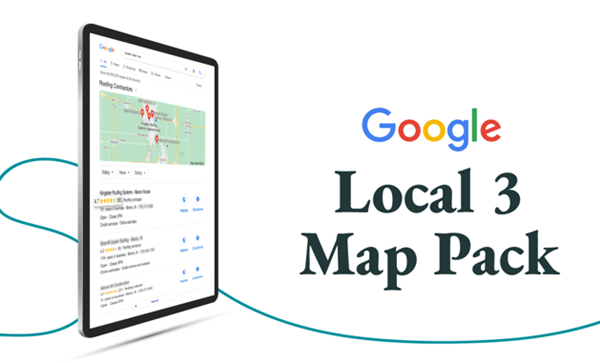
Let’s face it: if your business isn’t popping up in that “Local 3-Pack” on Google Maps, you are virtually invisible to the people right in your neighborhood who are trying to give you their money. As a marketing company, we hear this often—amazing local shops, who gets passed over simply because they don’t show up when a customer pulls out their phone, ready to buy. It’s not just about visibility; it’s about being the obvious choice at the exact moment decision-making happens. Research actually shows that those top three map results grab nearly half of all clicks for local searches, meaning if you aren’t there, you’re handing a massive chunk of potential sales directly to your competitors without a fight.
Ranking high in the Google Maps Pack (the "Local 3-Pack")
To understand why ranking in the Local 3-Pack matters so much, it’s worth looking at the practical impact this visibility brings to a business. Showing up at the top doesn’t just get your name out there—it directly shapes customer decisions, drives engagement, and ultimately fuels growth in ways that less visible listings simply can’t match.
Map Pack Visibility: Business Benefits Revealed
Dominant Share of Clicks
Research indicates that the top three Map Pack results capture between 40% and 50% of all clicks for local-intent searches. For specific high-intent categories like coffee shops or emergency services, this percentage can be even higher as users rarely scroll down to traditional organic results.
Surge in "Zero-Click"
Conversions: In 2026, more than 60% of local searches do not end in a website visit. Instead, ranking high allows customers to convert directly from the map via "click-to-call," direction requests, or instant booking, making your profile your "new homepage".
Immediate Trust and Credibility
Users often view the top three spots as an implicit endorsement from Google. High-ranking businesses are perceived as more established and reliable, which is critical since 88% of consumers trust these online signals as much as personal recommendations.
Why Aren't You Ranking? A Quick Look
Of course, you want those outcomes and are wondering why your business isn’t ranking as high, you’re not alone. While this article won’t dive deeply into the reasons behind lower rankings, it’s a natural question that comes up as you learn more about the value of local visibility. I will offer a few bullet points on why you may not be ranking:

Foundational "Critical" Issues
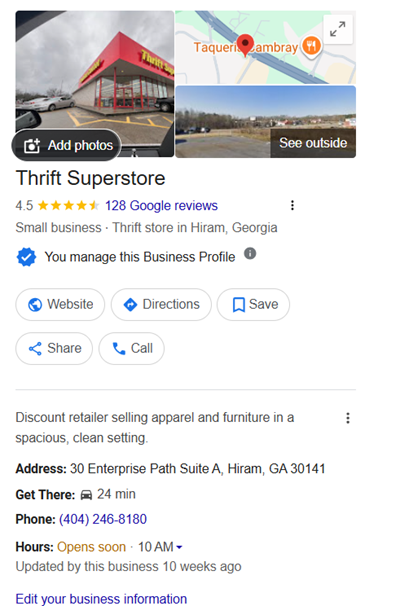
Gaps in your profile, such as missing business hours or incorrect primary categories, are the most common reasons for low rankings. In 2026, Google’s AI prioritizes profiles that provide comprehensive data to satisfy specific conversational search queries.
Reviews - Quality and Velocity
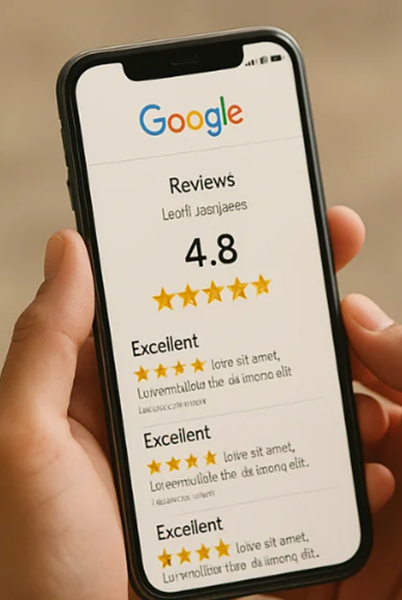
It is no longer just about having many reviews; Google now tracks review velocity, or how consistently you receive new, positive feedback. Stale reviews or a lack of keywords within customer feedback can signal to Google that your business is no longer a top local choice.
Proximity and Physical Location:
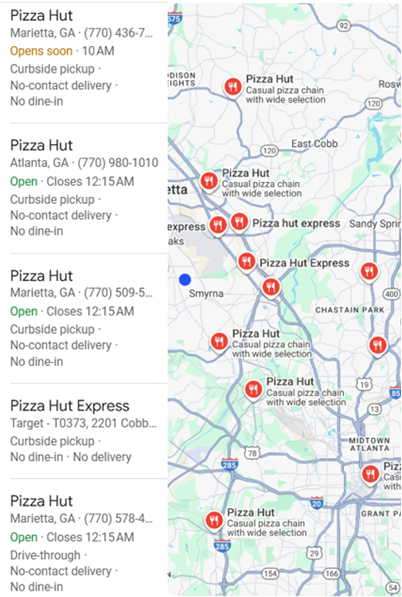
Proximity remains the strongest ranking factor in 2026. If your business address is outside the specific city or neighborhood being searched, or if you are physically further from the searcher than competitors, your profile is less likely to appear in the top "Map Pack" results.
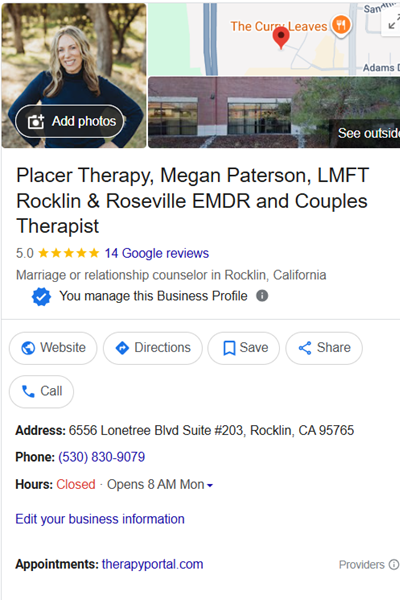
NAP - Name, Address, Phone Number
If your Name, Address, and Phone number (NAP) are inconsistent across the web—such as on your website, social media, or other directories—Google loses trust in your business's legitimacy. This "digital footprint" must be identical across all platforms to maintain local search authority
Back To Crushing The Competition
With Google and also Billy Joel ~ It's A Matter of Trust
Immediate Trust and Credibility: Users often view the top three spots as an implicit endorsement from Google. High-ranking businesses are perceived as more established and reliable, which is critical since 88% of consumers trust these online signals as much as personal recommendations.
Google places significant emphasis on trust and credibility as primary factors for ranking in local search results, as it is a core component of its E-E-A-T (Experience, Expertise, Authoritativeness, and Trustworthiness) framework. While proximity remains a strong initial filter, especially for broad “near me” searches, trust signals are vital differentiators, particularly for securing top positions in the “Local Pack”
Plumber's near me
High Conversion Intent: “Near me” queries are high-intent “action” signals. In 2026, statistics show that 76% of people who perform a “near me” search visit a business within 24 hours. Because these searches often result in immediate calls or direction requests, your GBP serves as the “digital storefront” that converts this proximity into an actual customer.
The Proximity Filter: “Near me” searches trigger an automatic geographical filter. Google uses the searcher’s precise GPS or IP location to create a “visibility radius” around their device. Even if your business is highly rated, it may not appear in the top three Map Pack spots if a competitor is physically closer to the user at that exact moment.
The "Local Pack" vs. "Google Maps" Logic: Google applies different weight to proximity depending on the interface:
The Local Pack (Search Results):
Prioritizes Prominence (reviews and authority) alongside distance. It aims to show the "best" nearby options for researchers.
Google Maps App:
Prioritizes Proximity and convenience. It acts as a logistics filter for users ready to travel immediately.
The Higher You Rank, the More Customers You Get
Competitive Displacement: Because the Map Pack only displays three businesses prominently, ranking there effectively hides your competitors from the user’s immediate view, forcing them to take extra steps to find anyone else.
Google Statistics
The top three positions in the Local Pack command a significant share of clicks, while positions outside this range see drastically reduced engagement.
- Position #1: Receives an average CTR of around 17.6%.
- Position #2: Receives an average CTR of around 15.4%.
- Position #3: Receives an average CTR of around 15.1%.
Total for the Map Pack: Collectively, the Map Pack receives between 40% and 50% of all clicks for local-intent searches, far exceeding the organic results below it.